
One large unshaded glass wall can look modern in a render and feel punishing by afternoon. Orientation, shade, glazing, and airflow should be settled before exterior style, colour palettes, or interior finishes.
Architectural design for hot-climate homes should solve heat before style
Heat-led architectural design is the better first decision for hot-humid, hot-dry, tropical, coastal, and mixed hot climates because façade language cannot cancel solar gain. A sharp elevation may look expensive, but badly placed glass still admits heat, glare, and privacy problems.
Once oversized sliding doors, west-facing bedroom windows, or exposed stairwell glazing are built, fixes become less elegant: larger air-conditioning, blackout curtains, reflective film, darker rooms, and furniture pulled away from hot walls. Living rooms, bedrooms, home offices, stairwells, kitchens, and bathrooms all need heat review before style review.
- Glassy living rooms that cannot be used comfortably at midday.
- Bedrooms with hot external walls and poor sleep comfort.
- Home offices with sun on screens and desks.
- Bathrooms and closets with humidity trapped behind finishes.
Moisture is also a health and maintenance issue. The U.S. Environmental Protection Agency guide to mold and moisture advises fixing damp spots promptly and reducing indoor humidity.
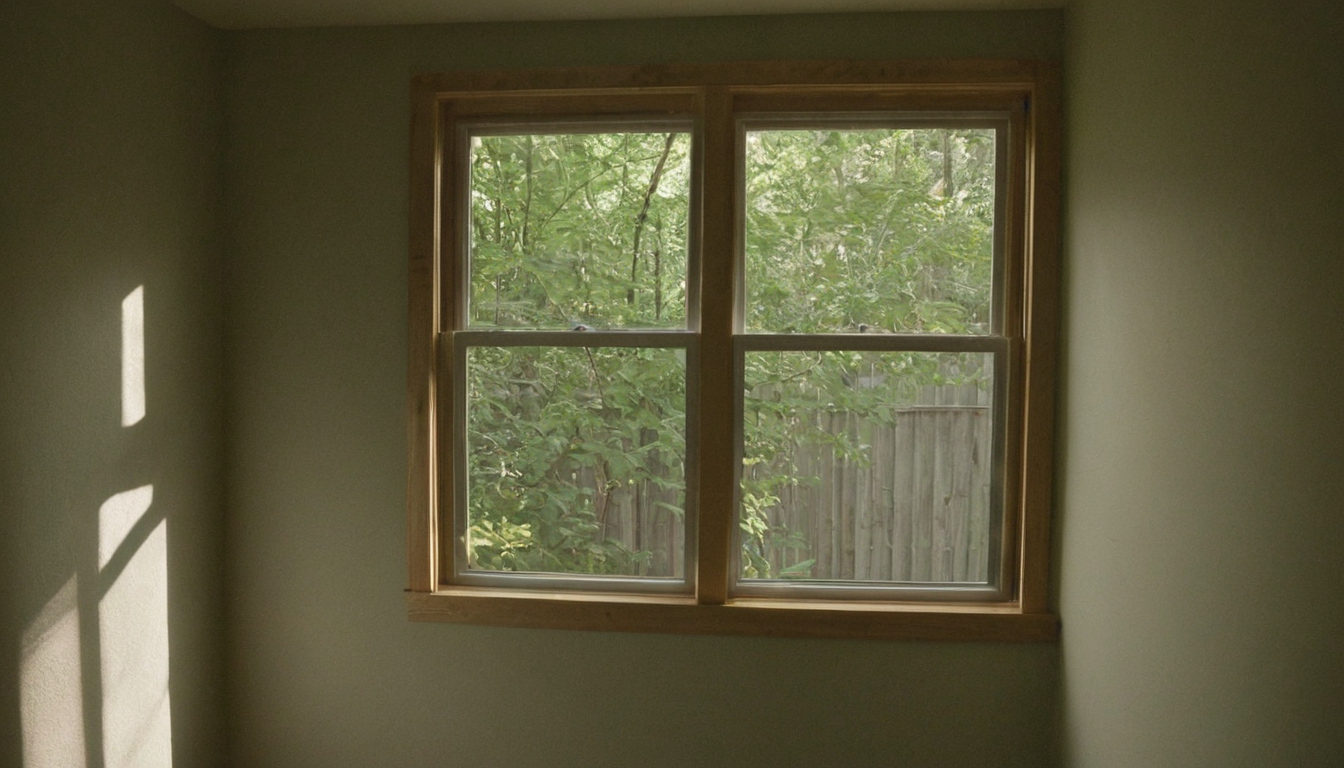
Architectural design for hot-climate homes should solve heat before style shown as an editorial planning reference.
How should house orientation reduce heat gain on a residential plot?
House orientation should place the longest elevations, main rooms, and largest openings where solar exposure can be shaded predictably. In hot-climate architecture, orientation depends on latitude, plot shape, road access, views, setbacks, neighbouring walls, privacy, and wind.
Pre-design orientation process
- Mark true north on the survey plan before drawing the façade.
- Map the local sun path. Seasonal sun affects heat gain and daylight, and solar position is described by altitude and azimuth angles in sun path references.
- Identify afternoon exposure. Low west sun is hard to block with a simple roof overhang.
- Overlay views, noise, privacy, and setbacks. A garden view may not justify full-height glass facing a neighbour or road.
- Check wind before fixing plan depth. Cross-ventilation needs a real path through rooms, corridors, and openings.
East and west elevations usually need the toughest review because morning and afternoon sun sits low. Equator-facing vertical windows can often use deeper roof projections, verandas, or balconies. If the plot forces exposed glass in a cooling-dominated region, low-SHGC glazing becomes part of the orientation decision; InterNACHI notes that lower SHGC windows are especially relevant where air-conditioning cost is a concern.
Where should windows be placed, and how much glazing is reasonable?
Window placement should follow room use, orientation, ventilation, glare risk, privacy, and glass performance. Large windows are not automatically wrong, but exposed glazing needs controlled size, external shade, suitable specifications, and a believable window-to-wall ratio for each façade.
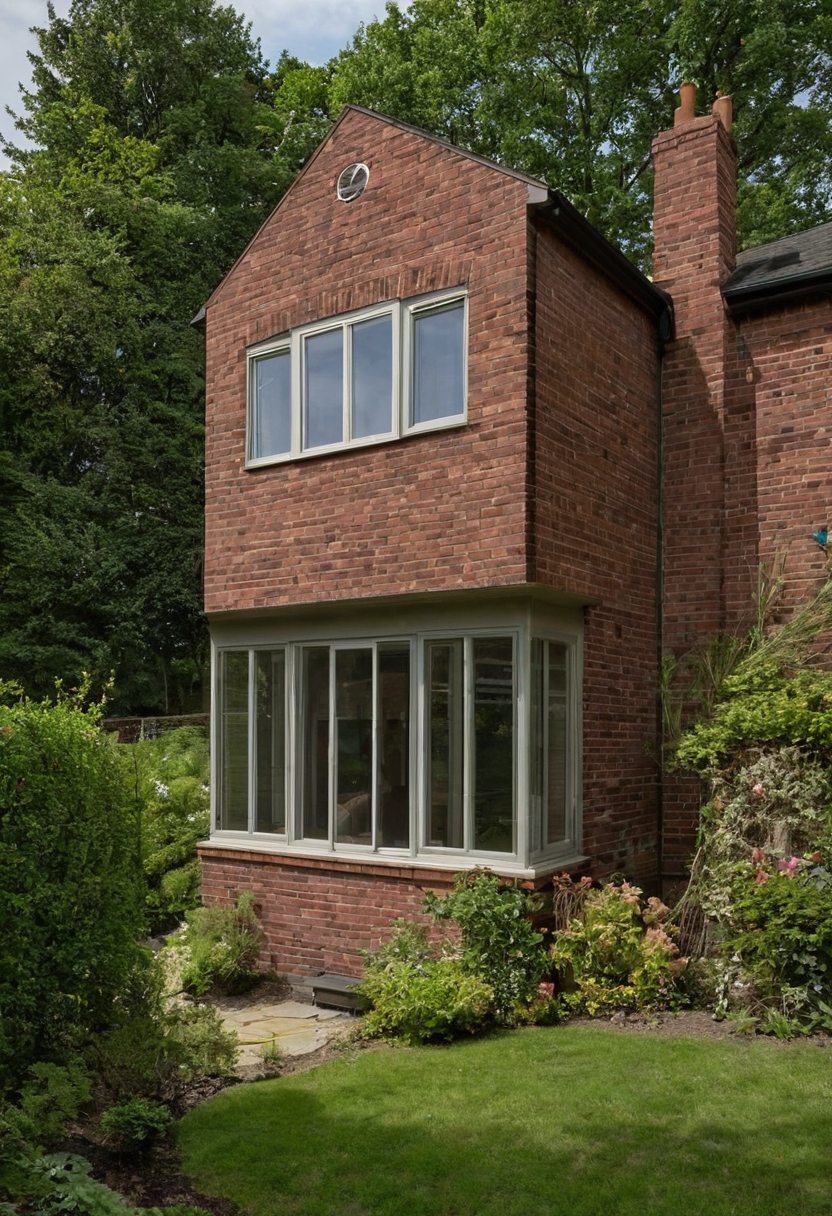
Where should windows be placed, and how much glazing is reasonable shown as an editorial planning reference.
Owners should question any elevation where glass visually dominates the wall, especially on harsh morning or afternoon exposures. More glazing can work beside shaded courtyards, deep verandas, recessed balconies, protected views, or high-performance glass, but the render should show shade depth, curtain space, opening type, and furniture clearances.
Room function should set sill height and window position. Bedrooms need privacy and cool sleeping walls. Living rooms need daylight that does not wash out the TV wall. Home offices need side light, not sun on screens. Kitchens need counter light. Artwork, wardrobes, curtain tracks, and beds need wall space.
The U.S. Department of Energy explains window energy performance ratings for heat gain, heat loss, and daylight. U-factor describes non-solar heat transfer. SHGC describes solar heat gain. Visible transmittance describes daylight. InterNACHI describes SHGC as a ratio, where 0.30 means 30 percent of available solar heat passes through. Good glass still needs external shade.
Which shading devices work best for each façade orientation?
Shading devices should match the sun angle they need to block. Horizontal overhangs, verandas, balconies, vertical fins, screens, pergolas, trees, and recessed windows perform differently by orientation, latitude, maintenance level, and budget.
Horizontal shading works best where the sun is high enough for a roof projection, balcony slab, veranda, or deep reveal to cast a useful shadow over the glass. A shallow canopy above a tall living-room slider may shade the top rail while leaving the sofa line exposed.
Vertical fins, operable louvers, external screens, and planting often perform better on elevations hit by low morning or afternoon sun. East and west glass is difficult to protect with roof projections alone because the sun can slide under the canopy and hit beds, desks, TV walls, and counters at eye level.
Shading also affects procurement and sequencing. Concrete balconies need drainage falls, waterproofing laps, drip grooves, and structural coordination. Aluminium louvers need accurate fabrication. Timber screens need coating schedules. Fabric awnings age faster in harsh sun and wind. Planting needs irrigation, pruning, and root control.
How can cross-ventilation and daylight work without sacrificing privacy?
Cross-ventilation and daylight should be planned together because window position affects air movement, glare, views, security, and furniture planning. In hot-humid homes, airflow can improve comfort when outdoor air is usable, but insects, noise, humidity, privacy, and air-conditioning strategy still shape the final arrangement.
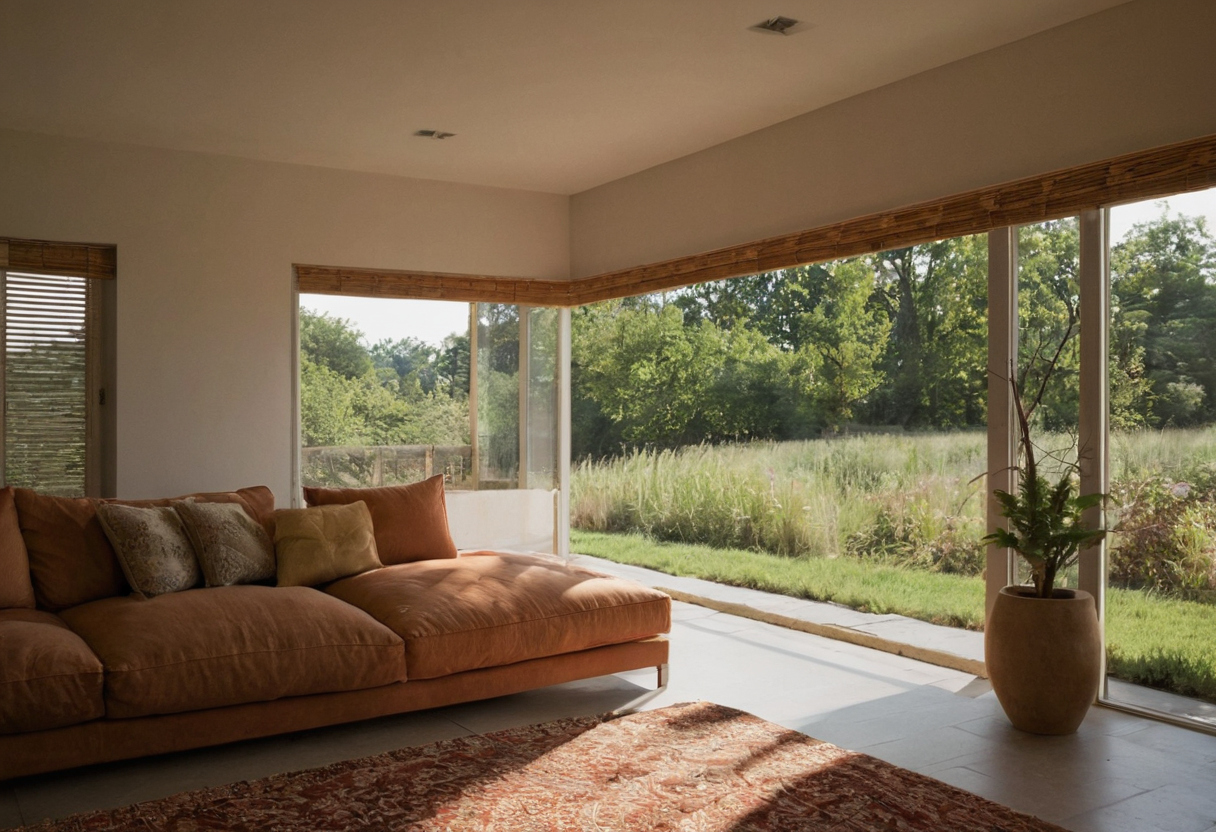
How can cross-ventilation and daylight work without sacrificing privacy shown with practical context cues.
Effective ventilation needs connected openings on different sides of a room or along a clear pressure path, not just many windows on one wall. Inlets should feed occupied zones, while outlets should let warm air leave through opposite, higher, or stairwell-connected openings. Partitions, corridors, solid doors, and deep furniture can break the path, so zoning and airflow in open residential layouts should be reviewed before walls are fixed.
Dense plots often need screened verandas, courtyards, louvered panels, high-level windows, and clerestories rather than exposed eye-level glass. These admit daylight and air while limiting neighbour views, but they also affect cleaning, insect screens, security grilles, emergency escape, and curtain placement.
What should owners review before approving style, renders, and interior finishes?
Owners should make budget-conscious home design decisions before approving a modern façade, exterior colour palette, or home interior ideas. For hot-climate villas, the review should cover orientation, window sizes, glass type, shading, airflow paths, curtain strategy, cooling assumptions, and construction sequencing before procurement begins.
Late changes become expensive when structural concrete, façade fabrication, window orders, or interior fit-out have started. Moving a window can affect lintels and waterproofing. Adding an overhang can affect structure. Changing glass can affect delivery. Relocating AC units can disturb ceilings. Approve heat-control drawings before approving finishes.
FAQ
What is the best house orientation for reducing heat in a hot climate?
The best orientation places major rooms and large windows where sun can be shaded, while limiting exposed east and west glass. The exact answer depends on latitude, plot shape, views, privacy, wind, and setbacks.
Are large windows a bad idea in modern house design for hot regions?
Large windows can work if they are shaded, correctly specified, and placed around room use. Unshaded glass on harsh exposures usually increases glare, cooling demand, curtain cost, and furniture constraints.
How do I know if my home needs horizontal overhangs or vertical fins?
Use horizontal overhangs where high sun can be blocked from above. Use vertical fins, louvers, screens, or planting where low morning or afternoon sun reaches the glass from the side.
Can cross-ventilation reduce air-conditioning use in a hot-humid villa?
Cross-ventilation can improve comfort when outdoor air is acceptable, but humidity, insects, noise, security, and AC zoning must be planned. Openings need a clear inlet and outlet path.
What should I ask my architect before approving exterior style and interior finishes?
Ask for drawings that show orientation, sun exposure, window sizes, glass specification, external shade, airflow routes, curtain space, furniture positions, and cooling assumptions before finishes are selected.